End of tenancy cleaning SE13 Lewisham flats guide
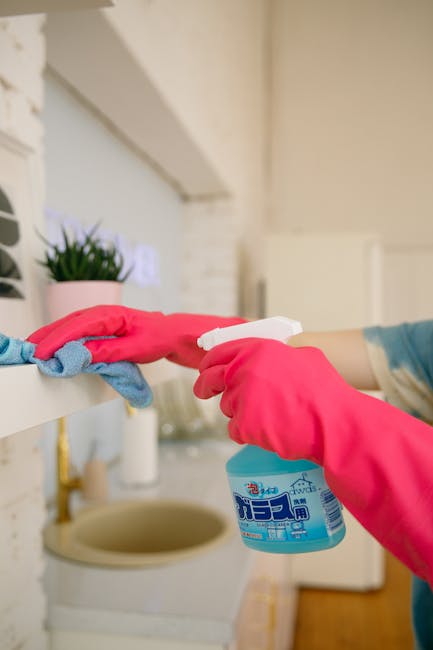
If you are moving out of a flat in SE13, the cleaning can feel like the last big hurdle before you hand back the keys. And, let's face it, it often arrives when you are already tired, surrounded by boxes, and wondering why the skirting boards suddenly look twice as dusty as usual. This End of tenancy cleaning SE13 Lewisham flats guide is here to make the process clearer, calmer, and a lot more manageable. Whether you are a tenant hoping to protect your deposit, a landlord preparing for re-letting, or a letting agent trying to keep the handover smooth, the aim is the same: leave the property properly cleaned, with less stress and fewer surprises.
Lewisham flats bring their own little realities too. Tight hallways, compact kitchens, shared entrances, hard water marks, and the usual London wear and tear all affect how you approach the job. In this guide, you will find the practical steps, the common mistakes, and the standards people usually expect at the end of a tenancy. You will also see where specialist help can make a real difference, especially for items like carpets, upholstery, and stubborn stains that just will not shift with a quick once-over.
Practical summary: end of tenancy cleaning is not just a "deep clean". It is a detail-focused reset of the flat, room by room, so it looks ready for inspection and the next occupant. Do it well and you save time, reduce friction, and usually avoid that awkward post-move-out conversation no one enjoys.
Why End of tenancy cleaning SE13 Lewisham flats guide Matters
End of tenancy cleaning matters because the condition of the flat at handover often shapes the final impression. For tenants, that can affect deposit deductions, delays, or extra cleaning requests. For landlords and agents, it influences how quickly a property can be marketed again and whether it feels cared for from the moment someone walks in. In SE13, where flats range from older conversions to newer apartment blocks, the level of detail expected can vary a bit, but the basic principle stays the same: the property should be left in a reasonably clean condition that matches the tenancy agreement and the inventory record.
The tricky part is that people often underestimate what "clean" means at the end of a tenancy. A kitchen may look fine at a glance, but grease behind the hob, crumbs in cupboard corners, limescale on taps, and odours from bins can all stand out during inspection. The same goes for bathrooms. A shiny sink is nice, but if grout, extractor fans, shower screens, and sealant lines are neglected, the room can still read as unfinished. You know the sort of thing. Everything looks acceptable, then one small patch on the bathroom mirror suddenly becomes the centre of attention.
That is why a proper flat clean is different from weekly upkeep. It is more forensic. You are not simply tidying; you are restoring the space to a presentable, inspection-ready state. A good approach saves time for everyone involved and reduces the chance of disagreement when the tenancy ends.
How End of tenancy cleaning SE13 Lewisham flats guide Works
At its simplest, end of tenancy cleaning works as a full-room, full-surface clean carried out after the flat has been emptied or nearly emptied. The timing matters. Most people find it easier to clean after furniture, storage boxes, and personal items are removed, because hidden dust and grime become visible fast. If the flat is still partly furnished, the same principles apply, but it takes longer and needs more planning.
In practice, the process usually starts at the top and works down: ceiling cobwebs, light fittings, shelves, skirting boards, then floors last. Kitchens and bathrooms usually need the heaviest attention because they collect the most residue. Bedrooms and living rooms may seem easier, but window tracks, inside wardrobes, radiators, and door handles still need proper attention. Small details. Big difference.
For a flat in SE13, it is also sensible to think about access and building rules. Some blocks have lift booking requirements, limited parking, or noise considerations if you are cleaning early or late in the day. A little planning avoids unnecessary hassle. If you are booking professional help, it is worth checking what is included, how long the visit might take, and whether additional services such as carpet cleaning or upholstery cleaning are needed for a fuller result.
One useful way to think about the job is this: if a landlord, inventory clerk, or letting agent opens a cupboard, scans a windowsill, or looks along the edge of a bath panel, would the flat still present well? That is the standard to aim for.
Key Benefits and Practical Advantages
The most obvious benefit is a better chance of getting your deposit back without avoidable cleaning deductions. But there is more to it than that. A proper end of tenancy clean reduces the last-minute scramble, supports a smoother handover, and helps the property feel genuinely ready for the next person. That matters in busy parts of London where changeovers can happen quickly and landlords often want the place turned around fast.
There is also a psychological benefit, oddly enough. Once the flat is cleaned properly, the move feels finished. The boxes are out, the rooms are empty, and the place no longer feels like a to-do list with a roof on it. That can be a relief after weeks of packing, utility transfers, and the general chaos of moving day.
Here are some practical advantages worth noting:
- Lower risk of disputes: A detailed clean aligns more closely with what inventory checks usually expect.
- Better presentation: Clean flats photograph better and make a stronger first impression.
- Less time pressure: Professional-style cleaning saves you from trying to do everything in one exhausted evening.
- Better hygiene: Hidden grime, old food residue, and bathroom build-up are dealt with properly.
- More control over standards: You decide what gets attention rather than leaving it to a rushed final sweep.
If you are also weighing up local property value or rental demand, it may help to browse the broader Lewisham context on the blog and related local insight pieces such as Lewisham living insights. They are useful for understanding the area's housing pace and why well-presented flats tend to move more smoothly.
Who This Is For and When It Makes Sense
This guide is mainly for tenants in SE13 flats, but it is not only for tenants. Landlords, managing agents, and even block owners can benefit from a clearer process. If the property is being re-let quickly, or if a tenancy has ended after a long occupation, the same practical cleaning standards apply. The only difference is who is coordinating the work and what level of service is required.
It makes sense to arrange end of tenancy cleaning when:
- you are moving out of a flat and need to meet your tenancy obligations;
- the inventory shows the property was handed over in a clean condition originally;
- you are a landlord preparing for new marketing photos or viewings;
- the property includes carpets, upholstered items, or appliances that need more than surface wiping;
- the flat has pet odours, smoke residue, heavy limescale, or long-neglected kitchen build-up;
- you simply do not have the time or energy to do it properly yourself. Truth be told, most people do not.
There are also times when a full professional clean may be overkill. If the flat is tiny, lightly used, and already quite clean, a careful DIY clean might be enough. But if your move-out day is packed, the flat has been occupied for a while, or there are tricky materials like wool rugs, delicate upholstery, or heavy staining, specialist help often saves stress rather than adding to it.
Step-by-Step Guidance
A structured approach is the difference between "we tried" and "this looks properly done". The easiest way to clean a flat at the end of a tenancy is to move room by room, then finish with a final inspection walk-through. Do not jump around randomly. That is where time disappears and little jobs get forgotten.
1. Start with a quick assessment
Walk through the flat before cleaning. Open cupboards, look behind doors, check under radiators, and note stains or damage. This helps you spot anything that needs special treatment, such as stain removal or extra care around windows and fittings. In a real SE13 flat, this can take five minutes and save an hour later.
2. Remove clutter and loose items
Take out personal belongings, bins, hooks, fridge contents, and anything that will slow you down. If the flat still has furniture, clear what you can from surfaces and corners. Cleaning around clutter is never as effective as it seems. It just hides work from you.
3. Clean high surfaces first
Dust light fittings, tops of cupboards, curtain poles, shelves, and picture ledges. Cobwebs love corners, especially in older flats. Then move down to walls, switches, handles, and skirting boards. Use damp cloths where suitable and avoid saturating painted surfaces.
4. Focus on the kitchen properly
Kitchens need a deep, methodical clean: hob, extractor, oven exterior, cupboards inside and out, splashbacks, sink, taps, bin area, and floor edges. If the oven is heavily used, a professional-grade approach may be worth considering rather than trying to scrub it for hours. A kitchen can look spotless in daylight and still fail the smell test at close range.
5. Work through the bathroom with detail
Remove limescale, clean grout lines, disinfect contact points, and polish mirrors and chrome where appropriate. Check under the sink, around the toilet base, and at the shower screen tracks. Bathrooms often need repeated passes, especially in hard-water areas.
6. Clean bedrooms and living spaces
Wipe wardrobes, drawers, shelves, windowsills, and radiators. Vacuum thoroughly, especially along skirting edges and behind doors. If there are curtains, blinds, or soft furnishings left behind, they may need specialist attention such as curtain cleaning or sofa cleaning.
7. Finish floors and carpets last
Vacuum after all dusting and surface work is done. If the flat has carpeted rooms, a deeper treatment can lift the overall presentation dramatically. Carpet fibres hold dust, pet hair, and old spill marks more than people realise. For that reason, many tenants and landlords choose steam carpet cleaning as the final stage.
8. Do a final inspection
Check mirrors, behind taps, inside appliances, window frames, cupboard handles, and floor corners. Open and close doors. Stand back and look at the flat as a viewer would, not as someone who has been living in it for years. You will catch odd things this way. A fingerprint on a fridge door, a dust line on a skirting board, a crumb trail near the skirting. Tiny, but they matter.
Expert Tips for Better Results
A few habits make the whole process easier. First, work from dry to wet cleaning. Dust before wiping. That prevents muddy streaks and saves effort. Second, use separate cloths for kitchen and bathroom areas. It sounds basic, almost too basic, but cross-contamination is one of the quickest ways to undo good work. Third, let products dwell long enough to do their job before scrubbing. Rushing usually means scrubbing harder for longer, which is not a great bargain.
Another useful tip is to clean in natural daylight where possible. Morning or midday light makes marks much easier to spot. Evening cleaning under artificial light can fool you into thinking a room is better finished than it really is. Then the next day, the dust pops out. Annoying, yes.
For flats in SE13, hard water build-up is a familiar nuisance. If taps, shower glass, and tile edges have that dull chalky film, a targeted descaling approach is often needed. Do not attack every surface with the same product. Read the material first. Chrome, painted wood, natural stone, and laminate all behave differently. A "one cleaner does all" approach is convenient, sure, but it is not always smart.
If the tenancy included pets, or the flat has that faint lingering smell from old food, damp, or cigarette smoke, specialist treatment may be necessary. In those cases, pet stain and odour removal can be a practical support service, especially if carpets or upholstery are part of the problem.
And one more thing: do not leave the final hour to tackle everything. That is how good plans become frantic ones. Give yourself breathing space.
Common Mistakes to Avoid
The most common mistake is underestimating the job. People clean the visible areas and assume that is enough. Then the inventory check finds dust on top of cupboards, grime in the oven seal, or marks behind the toilet. Easy to miss, easy to avoid.
Another mistake is cleaning in the wrong order. If you vacuum too early, then dust shelves afterwards, you have to vacuum again. If you mop before finishing the kitchen units, crumbs will end up on the floor. It is a small thing, but sequencing matters more than people think.
- Skipping appliances: Fridge shelves, extractor fans, washer drawers, and oven interiors are frequent trouble spots.
- Forgetting hidden surfaces: Behind radiators, under sinks, inside cupboards, and around hinges often get ignored.
- Using the wrong products: Harsh chemicals can damage materials and leave residues or odours.
- Ignoring odours: A flat can look clean and still fail on smell alone.
- Not checking the inventory: The original condition report is your best clue about expectations.
One more mistake, and it is a big one: assuming "good enough" will pass without question. Sometimes it does. Sometimes it really does not. Better to be a little over-prepared than to argue later over a missed stain on a carpet edge.
Tools, Resources and Recommendations
You do not need a van full of equipment, but the right tools help. A sensible kit for a flat end of tenancy clean usually includes microfiber cloths, a vacuum cleaner with attachments, a mop, a bucket, a non-abrasive sponge, an all-purpose cleaner, a glass cleaner, a degreaser, a limescale remover, and rubber gloves. If you are cleaning a compact SE13 flat, it is also worth having a small scraper for stubborn residue, an old toothbrush for corners, and a few spare cloths because one quickly becomes two, and then mysteriously disappears.
For soft furnishings and floor coverings, specialist methods often deliver better results than DIY scrubbing. That is where services such as rug cleaning and mattress cleaning can support a move-out clean, especially if the property had long-term use or allergy concerns. A decent vacuum is helpful, but it will not always lift embedded dirt from fibres. That is just the truth of it.
If you are comparing options, it can help to think in terms of risk, time, and finish level. DIY is cheaper in cash terms, but it costs your time and energy. Professional cleaning costs more upfront, but it often provides a more consistent outcome, particularly on difficult items. The right choice depends on the condition of the flat and your own schedule.
For broader company confidence, readers sometimes like to check things such as insurance and safety, health and safety policy, and payment and security. Those pages are useful if you are deciding whether to use a provider and want a bit more reassurance before booking.
Law, Compliance, Standards, or Best Practice
End of tenancy cleaning is usually governed less by a single cleaning law and more by the tenancy agreement, inventory expectations, and basic legal standards around property return. In plain English, the flat should be left in the condition agreed at the start of the tenancy, allowing for fair wear and tear. That phrase matters. Fair wear and tear is not the same as neglect, and it is not the same as deep cleaning. A carpet may have some natural flattening after a long tenancy, but stains, heavy dirt, and odours are a different matter.
If you are a tenant, the safest approach is to compare the move-out condition against the check-in inventory where possible. If the original schedule notes clean appliances, polished surfaces, and stain-free flooring, that gives you a useful benchmark. If you are a landlord or agent, consistency is the main standard. Being clear about expectations early usually prevents disagreements later.
Best practice also includes using products safely, ventilating rooms when needed, following manufacturer guidance on appliances and materials, and avoiding damage from over-wetting or abrasive tools. In shared blocks, it is also sensible to be mindful of communal areas, lift use, and noise. Not exciting, but it keeps everyone happier.
Where specialist cleaning is involved, reputable providers should be able to explain their methods clearly and handle access, safety, and site care responsibly. If you want to understand a company's wider approach, pages like about us, terms and conditions, and complaints procedure can be useful indicators of how they work and how they handle issues if something does not go as expected.
Options, Methods, or Comparison Table
Choosing the right approach depends on the flat's condition, your time, and the level of finish needed. Here is a straightforward comparison to help you decide.
| Option | Best for | Pros | Limitations |
|---|---|---|---|
| DIY clean | Lightly used flats, smaller move-outs, tight budgets | Low direct cost, full control, flexible timing | Takes time, easy to miss detail areas, may be less consistent |
| Partial professional support | Specific problem areas such as carpets, ovens, upholstery | Targets the hardest jobs, keeps some cost savings | You still need to organise the rest of the clean |
| Full professional end of tenancy clean | Busy move-outs, larger flats, stricter handovers | Efficient, thorough, easier to coordinate, better finish | Higher upfront cost |
In many SE13 flats, the balanced approach works best: do the general reset yourself, then bring in specialist help for the stubborn items. That usually gives a strong result without overspending. It is not glamorous, but it is practical. And practical wins more often than not.
Case Study or Real-World Example
Here is a realistic example from the sort of flat many people in Lewisham move out of: a two-bedroom apartment with a small galley kitchen, one bathroom, carpeted bedrooms, and laminate in the living space. The tenancy had lasted a couple of years. Nothing disastrous, just normal living: kitchen grease near the hob, a few bathroom limescale marks, light dust on wardrobes, and a carpet that looked fine until sunlight hit it at an angle.
The tenant started with decluttering and a basic sweep, but quickly realised the kitchen needed more than a surface wipe. Cupboards had crumbs in the corners, the extractor hood had sticky residue, and the oven door had baked-on marks. In the bathroom, the shower screen needed several passes to remove water film. The bedrooms were simpler, though the carpet edges along the skirting boards had collected more dust than expected. Classic. The sort of thing nobody notices while living there.
They split the job across two days: one evening for the kitchen and bathroom, one morning for bedrooms and final floors. A professional carpet clean was added at the end, which lifted the overall appearance noticeably. By the time the final walk-through happened, the flat smelled clean, looked brighter, and felt ready. Not perfect in a showroom sense, but properly presented. That is usually what matters most.
The lesson here is straightforward: the more ordinary the flat looks, the more attention to detail you need. Ordinary does not mean easy. It just means the clean has to be careful.
Practical Checklist
Use this checklist as you work through your flat. It is not fancy, but it is useful.
- Remove all personal belongings, rubbish, and loose clutter
- Check the tenancy agreement and original inventory if available
- Dust high surfaces, light fittings, and skirting boards
- Clean inside and outside cupboards and drawers
- Degrease kitchen surfaces, hob, extractor, and splashbacks
- Clean oven, fridge, and other appliances inside and out
- Scrub bathroom tiles, taps, shower screen, sink, and toilet base
- Wipe door handles, switches, and window ledges
- Vacuum carpets, edges, and under movable furniture
- Mop hard floors after all dusting is complete
- Deal with stains, odours, and pet-related issues early
- Check wardrobes, radiators, behind doors, and corners
- Review the flat in daylight if possible
- Take photos after cleaning for your records
If you are short on time, prioritise the kitchen, bathroom, carpets, and visible touchpoints first. That covers the areas most likely to draw attention. Everything else adds polish. And polish matters, even if it is a bit boring to say out loud.
Conclusion
End of tenancy cleaning in SE13 Lewisham flats is really about control, clarity, and finishing well. It helps tenants protect their deposit, gives landlords a smoother handover, and makes compact London flats look their best after a tenancy ends. The best results come from a methodical approach: work room by room, pay attention to hidden surfaces, deal with stains and odours early, and do not leave the hardest jobs until the last minute.
If you remember one thing from this guide, let it be this: a successful move-out clean is less about speed and more about detail. You do not need to make the flat sparkle like a showroom. You just need to leave it properly cared for, honestly cleaned, and ready for the next chapter. That is enough. More than enough, usually.
If you want a smoother move-out and a cleaner result without the last-day rush, it is worth getting help from a team that understands the demands of local flats and tenancy changeovers.
Get a free quote today and see how much you can save.
Frequently Asked Questions
What does end of tenancy cleaning usually include in a Lewisham flat?
It usually includes a full clean of kitchens, bathrooms, bedrooms, living areas, cupboards, surfaces, skirting boards, and floors, plus attention to appliances and any visible marks or stains. If carpets or upholstery need deeper work, those are often treated separately.
How long does end of tenancy cleaning take in a flat?
Time depends on the size and condition of the property. A small, lightly used flat may take a few hours, while a larger or dirtier one can take most of a day. If specialist work is needed, allow longer.
Do I need professional cleaning to get my deposit back?
Not always. What matters most is whether the flat is returned in the required condition under the tenancy agreement. If you can clean it thoroughly yourself, that may be enough. Professional cleaning just reduces the risk of missing detail.
Should I clean before or after moving my furniture out?
Ideally after moving out, or at least after most furniture and boxes have gone. That makes hidden dust, marks, and spill areas easier to reach. A partly furnished clean can work, but it is harder and usually less efficient.
What areas are most likely to cause deposit issues?
Kitchens, bathrooms, carpets, and odours are the usual trouble spots. Oven grease, limescale, stained carpets, and neglected bins can all become sticking points during the final inspection.
Can I do end of tenancy cleaning myself?
Yes, if you have the time, equipment, and patience to do it properly. Many people do. The real question is whether you can reach the level of detail expected without rushing, especially in a flat that has had normal daily use.
What if the flat has pet smells or stains?
Then you may need more than standard cleaning. Pet hair, odours, and stains can linger in carpets, upholstery, and soft furnishings. Specialist treatment often gives a better result than general cleaning alone.
Is carpet cleaning always necessary?
No, but it is often strongly helpful if carpets are part of the property and show visible wear, marks, or embedded dirt. In many move-outs, carpet cleaning makes the biggest difference to the overall finish.
What should I check before the final handover?
Check cupboards, appliances, taps, mirrors, floors, skirting boards, window ledges, and any forgotten storage spaces. Then step back and look at the flat in daylight if possible. That final glance often catches the little things.
How far in advance should I arrange the clean?
As early as you can, ideally before your move-out day becomes chaotic. Booking in advance gives you better control over timing, especially if you need extra services or have a narrow window between tenancy end and handover.
Are there any specific cleaning expectations for SE13 flats?
The core expectations are much the same as elsewhere: the flat should be left clean, tidy, and ready for the next occupant, subject to fair wear and tear. In SE13, where many flats are compact and busy, detail in kitchens, bathrooms, and carpets tends to matter most.
What is the best way to avoid last-minute stress?
Start early, use a checklist, clean room by room, and do not leave stubborn jobs like ovens or carpets until the final hour. If the flat is heavily used or time is tight, bringing in help for the difficult areas can make the whole thing far less stressful.